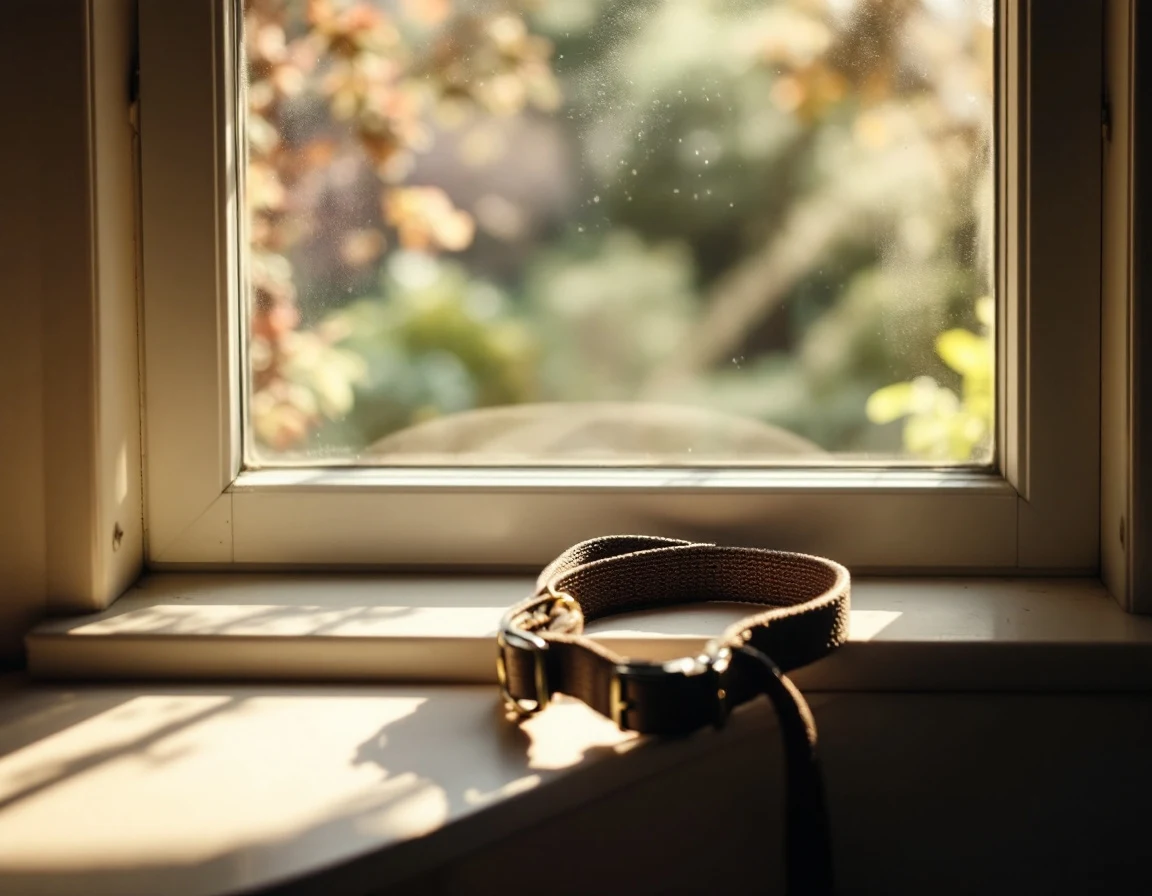
best friend, they make us smile even when we don’t want to, and they change our life the moment they arrive home. These little beings, each with their own personality, start to fill not only every corner of our home but every minute of our day. This is why the death of a pet is so painful, because we lose that bond, and we miss the routines.
In the mornings they get us out of bed because they want food and a walk, and at night, when we come home, they are at the door ready to shower us with affection.
These little beings are great psychologists, capable of reading our emotions and being there for them perfectly.
For some people with vision problems, their pet becomes their guide, for others they help when they have depression or suffer panic attacks, and they can even anticipate an epileptic seizure, when trained to do so.
Our pet brings out the best in us, they regulate our nervous system
When that little being dies, whatever the cause, it is normal to feel deep pain and sadness; that little one who filled our days with games, antics and walks has gone forever.
The emptiness and the loss of their physical presence leave a hole in our heart.
We have lost that connection that made us feel safe, loved, understood.
Having to face their death or having to make the decision to euthanise them is extremely difficult, just as the funeral arrangements can also be difficult, dealing with paying the vet’s bill, collecting their belongings and coming home without their warm welcome.
GRIEF
It depends on what this little animal meant to you, but it is always important to allow yourself to feel and process all the emotions that come up during the grieving process.
Surround yourself with people who understand what you feel and who do not judge you or minimise your pain.
Sadly, during grief there are people who do not understand how close a relationship we have with our pet and who say to you “it’s just an animal”, “get another one”.
If you know someone who is going through this grief, please do not say this to them, because it hurts them.
Emotions you may feel:
GUILT: you may blame yourself for not having done enough to save them, or for not having noticed their symptoms in time.
ANGER: towards yourself or towards the vet, because they did not notice in time or did not do enough to save your pet.
SADNESS: Every day you will have to get used to their absence; you will miss the routines you had together.
Each person faces grief differently, there is no exact timeline for this, but if after some time you feel you are still going round and round in these emotions it is a good idea to seek psychological help, I can help you with your process, it is my speciality.
EUTHANASIA
When our pet is suffering and there is nothing more to be done, I believe that making the decision to euthanise them is an act of love for your pet, not only on your part but also on the part of the vet who carries it out.
ADOPTING
Do not rush into it, it is a personal decision. Some people say they do not want to feel that pain again and that they will not adopt again. Others, on the contrary, do it very soon and have not had time to grieve their furry friend and end up feeling resentful towards the pet they brought home.
So when you feel more at peace, ask yourself, what are you going to do with all the love you have in your heart? … maybe, just maybe, you could give it to another four little paws looking for a home.